
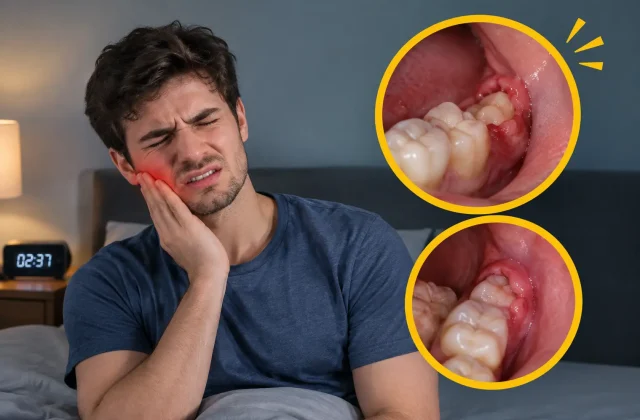
Why Does My Wisdom Tooth Hurt at Night? Possible Reasons
Why Does My Wisdom Tooth Hurt at Night? Wisdom tooth pain gets worse at night because lying down…
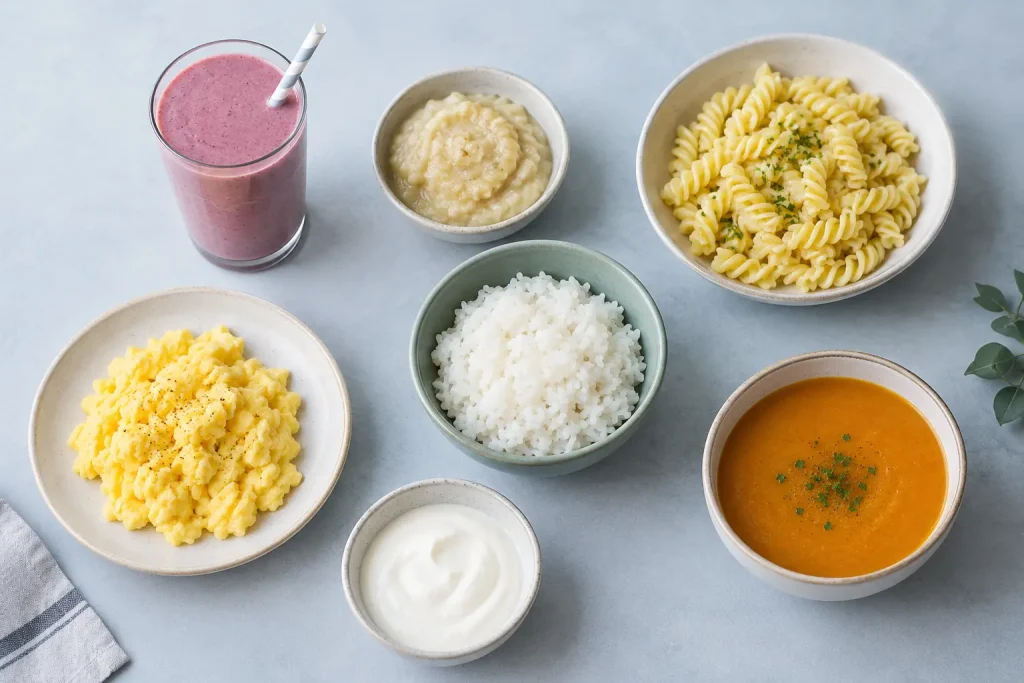
For the first 24 hours after a tooth extraction, stick to cold, soft foods like yoghurt and smoothies, avoiding anything hot, crunchy, or that needs chewing near the socket. From day 2 onward, gradually introduce warm soft foods like mashed potato and soup, then move back to your normal diet over the following week or two as healing allows. Straws, alcohol, and spicy food should be avoided throughout the first week.
If you’re in Acton, Chiswick, or anywhere else across West London and you’ve just had a tooth out, or you’re preparing for one, this covers exactly what to eat, what to avoid, and how your diet should progress day by day.
What you eat matters most in the first few days, while the blood clot in the socket is still fragile.
| Timeframe | What to Eat | Why |
|---|---|---|
| Day 1 (first 24 hours) | Cold, soft foods: yoghurt, smoothies, ice cream, mashed banana | Cold helps reduce swelling; softness avoids disturbing the clot |
| Days 2-3 | Warm soft foods: mashed potato, scrambled eggs, soup, porridge | Gentle chewing is fine but avoid the extraction site directly |
| Days 4-7 | Soft solids: pasta, well-cooked vegetables, fish, soft bread | Socket is stronger but still healing beneath the surface |
| Week 2 onward | Gradually return to normal diet | Most patients can chew normally again by this point |
Everyone heals at a different pace, so let comfort be your guide. If a food causes pain or pressure, go back to softer options for another day before trying again.
Soft foods keep you nourished without putting pressure on the socket. Eating enough protein and drinking plenty of water also supports healing, so don’t skip meals just because chewing feels awkward.
A few things genuinely risk disturbing the healing socket or causing complications, so it’s worth avoiding these for at least the first week.
The biggest risk in the first few days is dislodging the blood clot that forms in the socket, a complication known as dry socket. It’s genuinely painful and slows healing considerably, which is exactly why straws, hard foods, and smoking are avoided so strictly early on. Sticking to soft, cool foods for the first 48 hours specifically protects that clot while it’s at its most fragile.
Chewing on the opposite side of your mouth and keeping spoons and forks away from the socket also helps. Your dentist will advise when it’s safe to start gentle rinsing, which is usually after the first 24 hours.
Diet aside, it’s worth knowing when discomfort has moved beyond what’s normal.
Mild soreness, slight swelling, and minor oozing in the first day or two are all expected. These should gradually ease rather than build.
Any of these are worth getting checked rather than waiting to see if they pass on their own. In these situations, booking a same day dental appointment is the quickest way to rule out infection or dry socket rather than continuing to manage it with painkillers alone.
Stick to cold, soft foods like yoghurt, smoothies, and mashed banana. Avoid anything hot, crunchy, or that requires chewing near the socket.
Most dentists recommend avoiding hard, crunchy, or chewy foods for at least a week, though full healing can take a couple of weeks.
No. The suction from a straw can dislodge the healing blood clot and lead to a painful complication called dry socket.
Most people can gradually return to a normal diet from around the second week, once the socket has properly closed over.
Yes, in the first 24 hours cold foods like ice cream can help soothe the area. Avoid versions with nuts or crunchy pieces, and don't use a straw for milkshakes.
What you eat in the days after a tooth extraction genuinely affects how smoothly you heal, starting with cold, soft foods and gradually building back up to your normal diet over roughly two weeks. Whether you’re in Acton or elsewhere across West London, following this properly reduces your risk of complications like dry socket and gets you back to normal eating sooner.
Why Does My Wisdom Tooth Hurt at Night? Wisdom tooth pain gets worse at night because lying down…
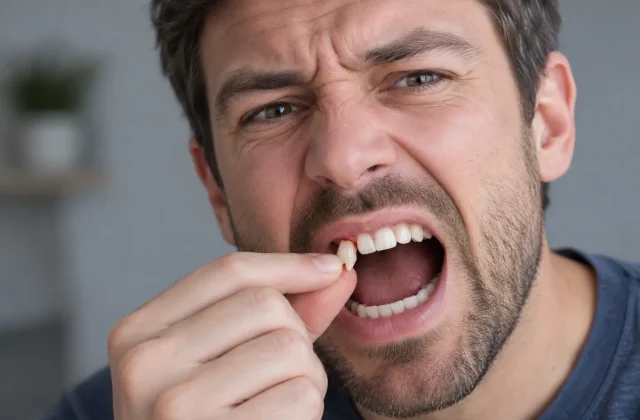
No, pulling your own tooth out is genuinely dangerous. Can You Pull Your Own Tooth Out? You risk…
Don't wait for it to worsen. Book online or give us a call to secure a same-day appointment.