

When Is a Swollen Face From a Tooth Abscess an Emergency?
A swollen face from a tooth abscess becomes a genuine emergency when the swelling spreads toward your eye…

How Do You Stop Tooth Pain Fast? A painkiller, a salt water rinse, and a cold compress can ease tooth pain within minutes but there’s a right way (and a wrong way) to do each one, plus one home remedy dentists actually recommend that most people don’t know about.
Late-night toothache is more common than you’d think. If you’re in Acton, North Acton, East Acton, or surrounding areas searching for relief at 11pm on a Tuesday, you’re far from the only one. It’s one of the most common reasons local patients reach out to Night & Day Emergency Dentist Acton, and it almost always strikes without warning. Here’s a practical, no-nonsense guide to getting on top of it and knowing when home remedies just won’t cut it.
When you need tooth pain relief right now, start with these:
There’s no single best thing for toothache that works for everyone, but for most people, the best painkiller for toothache is a combination of ibuprofen and paracetamol taken as directed. If you’re looking for the best pain relief for toothache that also brings down swelling, ibuprofen has the edge because it targets inflammation directly, not just the pain signal.
If standard painkillers aren’t cutting it, naproxen (available over the counter in lower doses) tends to be stronger and longer-lasting for dental pain than ibuprofen, making it a good option for persistent tooth nerve pain. It’s not suitable for everyone, so check with a pharmacist if you’re unsure. If pain like this is linked to a wisdom tooth coming through, it’s worth getting it looked at rather than just managing it long-term.
It’s not your imagination. Lying down increases blood flow to the head, and there are fewer distractions to take your mind off it. Grinding your teeth in your sleep can also make things worse. If you’re regularly Googling “how to stop tooth pain fast at home at night,” it’s usually a sign the underlying problem needs proper treatment, not just another night of managing symptoms.
Home remedies are designed to hold you over — not fix the cause. It’s time to get it checked out if you notice:
These can be signs of a severe toothache that needs professional attention, or in some cases a dental abscess with swelling, which shouldn’t be left untreated.
For patients across Acton and nearby areas like Ealing and Chiswick, Night & Day offers a same-day £35 assessment with X-rays, so you get a clear diagnosis instead of guessing at home remedies. If the nerve inside the tooth is infected, we may recommend a root canal to save the tooth and stop the pain at its source.
Combine painkillers, a salt water rinse, and a cold compress. This won't cure the problem, but it will bring fast relief while you arrange to see a dentist.
Ibuprofen is generally more effective because it targets inflammation directly at the site of pain, but combining it with paracetamol often gives stronger relief than either alone.
Clove oil can numb pain temporarily thanks to its natural anaesthetic properties, but it doesn't treat the underlying cause and shouldn't replace a dental check-up.
Naproxen is typically the strongest over-the-counter option for dental pain, though it isn't suitable for everyone — ask your pharmacist first.
It depends on the severity. If paracetamol and ibuprofen together are not controlling the pain, or if you have swelling in your face or jaw, you should see an emergency dentist the same day. A mild, dull ache that responds to painkillers can usually wait a day or two for a routine appointment.
How to relieve tooth pain fast comes down to the right painkiller combination, a salt water rinse, and a cold compress with clove oil or dental gel as useful backups. Whether you’re in Acton or reaching out from Shepherd’s Bush, if the pain persists, worsens at night, or comes with swelling, it’s your tooth telling you it needs more than a home remedy. Book a same-day emergency appointment with Night & Day in Acton and get it properly diagnosed today.
A swollen face from a tooth abscess becomes a genuine emergency when the swelling spreads toward your eye…

Yes, toothache can genuinely cause headaches and earaches, mainly because the nerves in your teeth, jaw, and face…
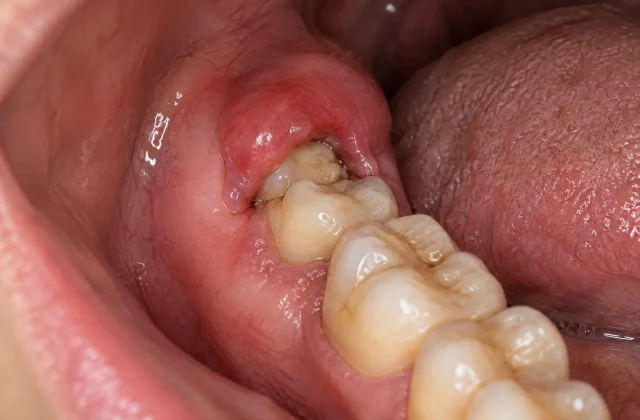
Swollen Gum Around a Wisdom Tooth: Causes and Treatment A swollen gum around a wisdom tooth is most…
Don't wait for it to worsen. Book online or give us a call to secure a same-day appointment.