

Can Toothache Cause Headaches or Earache? Potential Reasons
Yes, toothache can genuinely cause headaches and earaches, mainly because the nerves in your teeth, jaw, and face…

A swollen face from a tooth abscess becomes a genuine emergency when the swelling spreads toward your eye or neck, you have difficulty swallowing or breathing, or you develop a high fever. These signs mean the infection is spreading beyond the tooth itself, and this needs urgent same-day treatment, not a routine appointment.
If you’re in Acton, Ealing, or elsewhere across West London and one side of your face has started swelling from a tooth problem, here’s how to tell how serious it actually is, what’s safe to do at home, and when this stops being something you can wait on.
When infection builds up around a tooth, it doesn’t always stay contained to the gum. Bacteria usually reach the inside of the tooth through deep decay, a crack, or a damaged filling, and the body responds by sending white blood cells to fight them. The result is a pocket of pus at the root of the tooth or in the gum beside it.
As that pus and inflammation spread through the soft tissue, swelling can extend outward into the cheek, jaw, or even the area around the eye, depending on which tooth is affected and how far the infection has travelled. An upper tooth can push swelling toward the cheek and eye, while a lower back tooth is more likely to affect the jaw and the area under the chin.
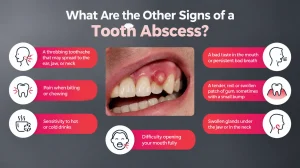
Facial swelling is often the point at which people finally seek help, but it rarely appears on its own. Many people notice other symptoms first, such as:
One detail is worth knowing. If a severe toothache suddenly stops and a bad-tasting fluid drains into your mouth, the abscess may have burst. That can bring relief, but it does not mean the infection has gone, and the tooth still needs to be seen.
Not every swollen face needs A&E, but certain patterns clearly do. Use this as a quick guide.
| Symptom | What It Suggests | What to Do |
|---|---|---|
| Mild swelling, localised to the jaw | Early-stage infection, still manageable | Same-day dental appointment |
| Swelling spreading toward the eye or neck | Infection is tracking beyond the tooth | Urgent dental or A&E assessment |
| Difficulty swallowing or breathing | Airway may be at risk | A&E immediately |
| High fever with facial swelling | Infection likely spreading systemically | Urgent same-day treatment |
| Swelling with no other symptoms | Possibly manageable, still needs checking | Same-day dental appointment |
If you’re unsure which row you fall into, treat it as the more serious one. A swollen face is not a symptom where it pays to wait and see.
Ludwig’s angina is a rare but serious complication where infection spreads into the floor of the mouth and neck, causing rapid swelling that can affect breathing. Warning signs include swelling under the chin or tongue, a tongue that feels pushed upward, a muffled voice, drooling because swallowing is painful, and a feeling that your throat is closing.
It’s genuinely rare, but it’s exactly why swelling spreading toward the neck, combined with difficulty swallowing, is treated as a medical emergency rather than a dental one. If you notice any of these signs, go to A&E or call 999 straight away rather than travelling to a dental appointment first.
While you arrange to be seen, a few simple steps can keep you more comfortable:
Don’t apply heat to the outside of the face, and don’t place aspirin directly against the gum, as it can burn the tissue. None of these steps treat the infection itself. They’re only there to keep you comfortable until you’re seen.
A swollen face rarely improves without treatment, and delaying often means the infection has more time to spread. Left alone, it can move into the deeper spaces of the face and neck, and in rare cases into the bloodstream, which can lead to sepsis. Even if the swelling seems to settle for a day or two, the source of the infection is still there and tends to come back, often worse.
Getting an urgent dental appointment as soon as swelling appears is what stops a manageable infection from progressing into a genuine medical emergency. Our guide to a dental abscess explains the early warning signs in more detail.
Treatment depends on how far the infection has spread, but a typical visit follows a few steps. The dentist will examine the area, ask about your symptoms, and take an X-ray to find the source of the infection and see how the surrounding bone is affected.
From there, treatment is aimed at removing the cause rather than just masking the symptoms:
Your dentist will advise which of these suits your situation once they’ve seen the X-ray and examined the area.
A little preparation helps the visit go smoothly. Note when the swelling started and whether it has changed, and keep track of any fever. Make a list of any medication you take and any allergies, particularly to antibiotics. Keep taking pain relief as directed, and avoid eating anything very hard or hot beforehand. If your swelling worsens on the way to the appointment, or your breathing or swallowing becomes difficult, go to A&E instead.
Same-day assessments mean facial swelling from a tooth abscess doesn’t have to mean hours in an A&E waiting room first. If you’ve searched for an emergency dentist near me, you’ll know how hard it can be to find someone who can see you quickly. Emergency abscess treatment in Acton is available the same day, with X-rays confirming the source of infection straight away.
Where the tooth can be saved, a root canal to clear the infection and save the tooth is carried out rather than moving straight to extraction, whether you’re coming from Chiswick or Park Royal.
Swelling spreading toward your eye or neck, difficulty swallowing or breathing, or a high fever are all signs it's serious and needs urgent attention. If you're unsure, it's safer to be seen the same day than to wait.
If breathing or swallowing is affected, go to A&E immediately. For swelling without these symptoms, an emergency dentist can usually treat the actual cause faster.
Antibiotics can help control the spread of infection, but the tooth itself usually still needs treating, whether that's drainage, a root canal, or extraction.
It can progress within hours in some cases, which is why same-day assessment matters rather than waiting to see if it settles on its own.
Swelling may ease for a short time if the abscess drains, but the infection is still there. Without treating the tooth, it usually returns and can become more serious.
Take pain relief as directed, rinse gently with warm salt water, use a cold compress on the outside of the face, and keep your head raised. These only ease discomfort and don't treat the infection.
A swollen face from a tooth abscess becomes a genuine emergency once it spreads toward your eye or neck, affects breathing or swallowing, or comes with a high fever. Even without those signs, swelling means the infection has moved past the tooth and needs treating. Whether you’re in Acton, North Acton, or elsewhere across West London, getting it assessed the same day is what keeps a serious-looking symptom from becoming a genuine crisis.
Yes, toothache can genuinely cause headaches and earaches, mainly because the nerves in your teeth, jaw, and face…
Swollen Gum Around a Wisdom Tooth: Causes and Treatment A swollen gum around a wisdom tooth is most…

What Should You Do If You Crack or Break a Tooth? what you do depends on the type…
Don't wait for it to worsen. Book online or give us a call to secure a same-day appointment.